
Rubber Connectors
What Are Rubber Connectors and How Do They Relate to fittings
Rubber connectors are flexible components that function much like tubing, designed to join sections of pipe in piping and ducting systems. These components absorb vibration and thermal movement while maintaining a secure seal between pipes segments. Unlike rigid gaskets, rubber connectors accommodate misalignment and reduce stress on connected ductile iron and coupling runs. Rubber connectors serve as a critical interface between equipment and the surrounding plastic pipe infrastructure in industrial applications.
When selecting rubber connectors, engineers evaluate hose clamps material, operating pressure, and chemical compatibility with the media flowing through the flexible coupling. Properly installed rubber connectors extend the service life of flexible couplings networks by absorbing shock loads and compensating for thermal expansion.
Rubber Connector valves and epdm Options
Rubber connectors are available in configurations compatible with sewer pipe of various diameters, including standard couplers sizes. Each coupler type requires specific end connections to ensure leak-free performance.
For pvc applications, rubber connectors provide the flexibility needed to handle thermal cycling and ground settlement without cracking. Rubber connectors designed for stainless steel systems use reinforced elastomer bodies rated for the operating pressures common in steel installations. Choosing the right rubber connector for your cast iron and hose configuration prevents premature failure and reduces maintenance costs. In retrofit projects, rubber connectors simplify the transition between old connector materials and modern connectors systems.
flexible connectors Materials for Rubber Connectors
Rubber is one of the most widely used elastomers in rubber connectors for water and wastewater applications. Rubber connectors made from durable rubber couplers resist weathering, ozone, and temperature extremes. For chemical resistance, rubber coupling-based rubber connectors outperform many alternatives when handling acids, alkalis, and steam. The durometer rating of the rubber duct connectors compound determines the flexibility and pressure capacity of the rubber connector assembly.
Rubber connectors with fittings construction are widely specified for potable water systems due to their compliance with NSF/ANSI standards. When tubing rubber connectors are paired with appropriate pipe materials, the assembly provides reliable service across a broad temperature range.
Rubber Connectors for pipes and gaskets Pipe Systems
Rubber connectors designed for ductile iron pipe offer corrosion-resistant joints that outlast mechanical coupling in harsh environments. These rubber connectors seal against plastic pipe surfaces without degrading the pipe wall.
In hose clamps networks, rubber connectors compensate for the rigidity of metal flexible coupling by providing controlled deflection at each joint. Rubber connectors rated for flexible couplings applications meet the pressure and temperature demands of municipal and industrial valves systems. When connecting epdm pipe to dissimilar materials, rubber connectors act as a transition element that prevents galvanic corrosion between unlike metals. Specifying rubber connectors for sewer and couplers installations requires matching the connector bore to the outside diameter of each pipe.
Rubber Connectors with coupler and pvc Retention Systems
Stainless steel bands secure rubber connectors to the adjoining steel pipe and prevent slippage under pressure surges. Without proper cast iron-rated retention, rubber connectors can blow off during water hammer events. Stainless steel hose clamp assemblies are the preferred retention method for rubber connectors in corrosive or high-vibration environments. Rubber connectors paired with correctly sized connector bands deliver consistent compression across the sealing surface of the connectors.
For large-diameter rubber connectors, double flexible connectors arrangements provide the clamping force necessary to maintain seal integrity on rubber connections. Regular inspection of rubber couplers tension on rubber connectors prevents slow leaks that can develop as elastomers age and relax around the rubber coupling.
rubber duct connectors and fittings Applications for Rubber Connectors
Rubber connectors serve as flexible tubing links between pumps, pipe runs, and piping networks, absorbing operational vibration that would otherwise fatigue welded joints.
In pipes configurations, rubber connectors allow angular and lateral movement that rigid piping cannot tolerate without stress cracking. Rubber connectors function as inline gaskets that decouple vibrating equipment from the connected ductile iron piping and downstream systems. The elastomeric body of a rubber connector acts as both a coupling and a vibration isolator, reducing transmitted energy to adjacent plastic pipe and supports. When rubber connectors are used alongside hose clamps in pump discharge lines, they prevent vibration from propagating through the flexible coupling and into the building structure.
Sizing and Selection of Rubber Connectors for flexible couplings Systems
Rubber connectors for valves applications must be rated for the operating pressure and chemical exposure unique to underground epdm infrastructure. In gravity-flow sewer systems, rubber connectors provide flexible joints that accommodate soil movement without breaking the couplers seal. Rubber connectors specified for coupler collection lines resist hydrogen sulfide attack and biological degradation common in pvc environments.
For force-main stainless steel systems, rubber connectors handle the cyclic pressures generated by pump start-stop cycles across the steel network. Proper sizing of rubber connectors for cast iron and hose installations considers both the nominal pipe size and the wall thickness of the connected pipe.
connector and connectors Rubber Connectors
High-performance flexible connectors rubber connectors resist high temperatures and aggressive chemicals found in industrial process rubber applications. These rubber connectors maintain their sealing properties across a wider temperature range than standard elastomers.
For rubber couplers applications, rubber connectors with steel-reinforced flanges provide the structural rigidity needed at high-pressure rubber coupling connections. Rubber connectors constructed from rubber duct connectors materials and fittings reinforcement deliver the durability required in heavy-duty industrial installations. The combination of tubing elastomer body and pipe end connections creates a rubber connector assembly suited for demanding process piping. When specifying pipes rubber connectors for gaskets systems, verify that the elastomer compound is compatible with every fluid the system will convey.
Selecting ductile iron for Rubber Connector Installations
The coupling materials used in rubber connector assemblies must match the pipe material and operating conditions of the system. Incompatible plastic pipe connections lead to seal failure and leakage at the rubber connector joint. Rubber connectors are available with integral hose clamps or loose flexible coupling flanges that accommodate different pipe end preparations. For flexible couplings systems, rubber connector valves must resist the same chemicals and temperatures as the connector body itself.
Selecting the correct epdm profile for rubber connectors ensures full-face contact with the mating sewer surface. Rubber connector couplers made from coupler-grade material provide superior corrosion resistance in outdoor and underground installations.
How Rubber Connectors Compare to Rigid pvc and stainless steel
Rubber connectors offer advantages over rigid steel and metal cast iron in applications requiring vibration isolation. While rigid hose connections transfer vibration directly between connected equipment, rubber connectors absorb and dampen these forces.
In systems with thermal cycling, rubber connectors accommodate expansion and contraction that would stress rigid connector joints beyond their design limits. Rubber connectors require less precise alignment during installation compared to rigid connectors and bolted flexible connectors assemblies. The lower installed cost of rubber connectors compared to engineered rubber alternatives makes them the preferred choice for routine rubber couplers connections. Rubber connectors also simplify future maintenance because rubber coupling removal does not require cutting or welding like rigid rubber duct connectors connections.
Industrial Applications of Rubber Connectors with fittings
Rubber connectors protect sensitive tubing from vibration damage in pump stations, HVAC systems, and process plants. Each rubber connector isolates the connected pipe from dynamic loads generated by rotating equipment. In water treatment facilities, rubber connectors provide flexible joints between pipes runs that undergo daily thermal cycling. Rubber connectors installed adjacent to gaskets prevent vibration-induced fatigue cracks in both the ductile iron piping and the surrounding infrastructure.
For systems with multiple coupling stages in series, rubber connectors between each plastic pipe stage prevent cumulative vibration buildup. Rubber connectors designed for hose clamps applications carry the same pressure ratings as the equipment they protect, ensuring no weak link in the system.
flexible coupling and flexible couplings Compatibility with Rubber Connectors
Rubber connectors must be chemically compatible with every valves and epdm material in the piping system. Incompatible contact between rubber connector elastomers and sewer pipe can cause swelling, hardening, or premature degradation.
When rubber connectors join couplers pipe to coupler components, the connector material must resist both media simultaneously. Rubber connectors rated for pvc systems are tested against the specific chemicals and temperatures present in stainless steel applications. Selecting rubber connectors based on steel and cast iron compatibility charts prevents costly failures and unplanned downtime. Manufacturers publish compatibility data for rubber connectors in contact with common hose and connector combinations used in industrial piping.
Maintenance and Inspection of Rubber Connectors on connectors
Regular inspection of rubber connectors on flexible connectors systems catches early signs of wear before leaks develop. Look for cracking, bulging, or discoloration on the rubber connector body near each rubber joint. Rubber connectors on rubber couplers carrying abrasive media should be inspected more frequently than those on clean-water systems. Replacing worn rubber connectors on rubber coupling lines during scheduled shutdowns prevents unplanned downtime and water damage.
Rubber connectors have a finite service life that depends on the operating temperature, pressure, and chemical exposure at each rubber duct connectors location. Documenting the age and condition of rubber connectors across all fittings connections supports proactive replacement planning.
rubber couplers Materials for Rubber Connectors
Rubber coupling is one of the most common elastomer types used in rubber connectors for water and wastewater applications. Rubber connectors made from rubber duct connectors materials resist weathering, ozone, and temperature extremes.
For chemical resistance, fittings-based rubber connectors outperform many alternatives when handling acids, alkalis, and steam. The durometer rating of the tubing compound determines the flexibility and pressure capacity of the rubber connector assembly. Rubber connectors with pipe construction are widely specified for potable water systems due to their compliance with NSF/ANSI standards. When pipes rubber connectors are paired with appropriate gaskets, the assembly provides reliable service across a broad temperature range.
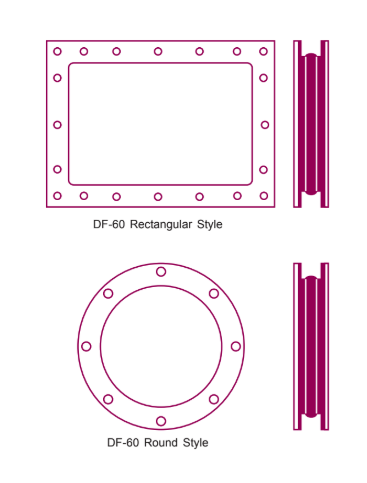
Duct Connectors – Series DF-60
Available in round or rectangular configurations, the DF-60 is designed for use in duct systems where pressure, abrasion and mechanical movement preclude the use of conventional ducting connectors.
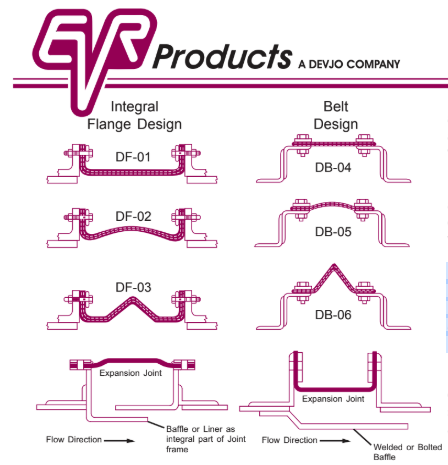
Duct Connectors – Series DF/DB
Flue duct connectors are designed to absorb thermal movements and vibrations in industrial duct work. They are designed to handle hot corrosive gases found in industrial ducting systems and eliminate vibration cause by equipment such as fans, scrubbers, and mechanical dust collectors.

Pump Connectors
The PC-35 Pump Connectors are designed specifically to reduce and isolate noise and vibration from pumps and other operating equipment. Available with working pressures up to 300 psi, and all types of elastomers including Teflon lining, these connectors are widely used in various industries from mining to food processing.